A decennial census is an important tool for any nation to understand its demographic makeup, and agenda for resource distribution, and assure fair representation. In Pakistan, the census has traditionally been conducted along linguistic lines, categorizing people based on their primary language. However, it is time to reconsider this approach and shift towards an ethnicity-based census methodology. Such a transition would not only provide a more accurate representation of the nation’s diverse population but also foster inclusivity, social cohesion, and better policymaking.
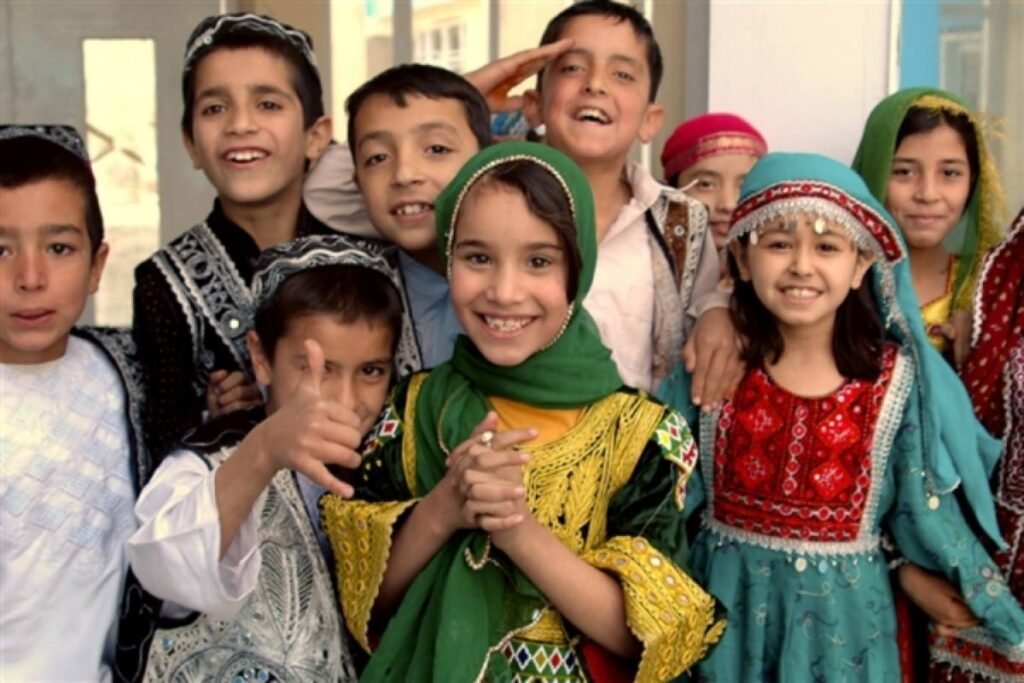
Pakistan is home to a rich tapestry of ethnicities, languages, and cultures. While language is undoubtedly an important aspect of identity, it alone cannot capture the complexities and nuances of the nation’s diverse population. Ethnicity encompasses a broader range of elements, including cultural heritage, ancestry, customs, and shared historical experiences. By recognizing and accounting for ethnicity in the census, Pakistan can embrace its multicultural identity and foster a stronger sense of belonging among its citizens.
Categorizing the population based on language can inadvertently marginalize certain ethnic groups, particularly those whose primary language is not widely spoken or recognized. This leads to underrepresentation and a lack of attention to the specific needs and challenges faced by these communities. An ethnicity-based census would ensure that every group, regardless of the language they speak, is accurately accounted for and afforded equal opportunities in resource allocation, development initiatives, and political representation. Pakistan boasts a rich tapestry of diverse cultures and ethnic traditions, each contributing to the nation’s unique identity.
An ethnicity-based census would help preserve and celebrate this rich heritage by acknowledging and recording the presence of various ethnic groups across the country. It would allow for the identification and protection of cultural sites, language preservation efforts, and the promotion of cultural festivals and events, strengthening the sense of pride and belonging among different communities. Shifting the focus of the census from language to ethnicity would yield more accurate data that reflects the true composition of Pakistan’s population. This data can serve as a robust foundation for evidence-based policy planning and implementation. By understanding the distribution, needs, and aspirations of different ethnic groups, policymakers can design targeted interventions, prioritize resource allocation, and foster socioeconomic development that caters to the diverse needs of the nation’s citizens. Pakistan’s journey as a nation has been marked by challenges associated with ethnic divisions and sectarian conflicts. Emphasizing ethnicity in the census can act as a catalyst for promoting national unity and social cohesion.
By recognizing and celebrating the diverse ethnic groups within the country, Pakistan can foster a collective sense of ownership, pride, and mutual respect among its citizens. Such an approach would strengthen the bonds that tie the nation together and pave the way for a more harmonious and inclusive society. While transitioning to an ethnicity-based census is crucial, it is not without its challenges. Concerns regarding categorization, potential conflicts between ethnic groups, and ensuring accurate self-identification must be addressed through robust data collection methodologies, public awareness campaigns, and inclusive dialogue among stakeholders.
Collaboration with experts, civil society organizations, and international partners can help develop effective strategies for implementation and address any logistical or technical hurdles that may arise. As Pakistan continues to evolve and embrace its multicultural identity, it is imperative to reevaluate the methodology of its census. Shifting from a language-based census to an ethnicity-based census would better reflect the diverse makeup of the population, promote inclusivity, preserve cultural heritage, and ensure effective policy planning. By recognizing the ethnic mosaic that constitutes Pakistan, the nation can foster social cohesion, strengthen national unity, and march towards a future where every citizen feels valued and represented.
