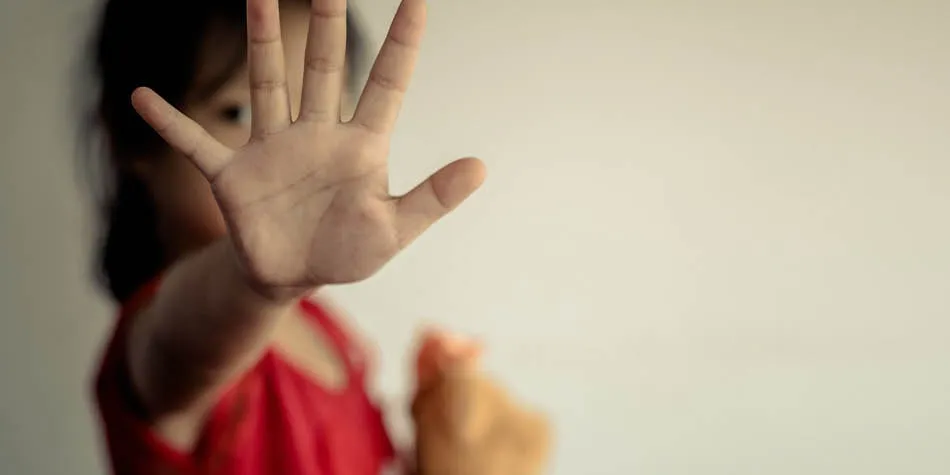
Pakistan continues to face a serious challenge in protecting children from abuse, neglect, and exploitation. Child abuse in Pakistan includes physical violence, sexual abuse, emotional maltreatment, child labour, trafficking, and early or forced marriages.
Despite legal frameworks and awareness efforts, thousands of cases are reported each year, while many more go unreported due to fear, stigma, and lack of access to justice.
The Scope of the Problem
Reports by child rights organisations such as Sahil consistently highlight alarming trends. Abuse affects both boys and girls, with children aged 11 to 15 among the most vulnerable. In many cases, the perpetrators are acquaintances or relatives, making detection and reporting even more difficult. Poverty, low literacy rates, social taboos, weak law enforcement, and silence around sexual violence further compound the problem.
Child abuse not only causes immediate physical and psychological harm but also has long-term consequences, including trauma, poor educational outcomes, mental health disorders, and cycles of violence that persist into adulthood. Addressing the issue is therefore critical for Pakistan’s social stability and future development.
How Child Abuse Can Be Controlled in Pakistan
1. Stronger Law Enforcement and Accountability
Although Pakistan has laws such as the Zainab Alert Act and child protection legislation at provincial levels, implementation remains uneven. Police training must be improved to handle child abuse cases sensitively and professionally. Fast-track courts and strict punishment for offenders can help deter crimes and restore public trust.
2. Awareness and Education
Public awareness campaigns are essential to break the culture of silence. Parents, teachers, and community leaders must be educated about recognising signs of abuse and understanding reporting mechanisms. Schools should include age-appropriate lessons on personal safety and boundaries so children can identify and report abuse early.
3. Community-Based Child Protection Systems
Local communities play a crucial role in prevention. Neighbourhood watch systems, parent-teacher associations, and religious institutions can help monitor vulnerable children and intervene when warning signs appear. Safe community reporting channels can encourage victims and witnesses to speak up without fear.
4. Role of Parents and Families
Parents must create open, trusting environments where children feel safe discussing uncomfortable experiences. Supervision of children’s online activities is also critical, as digital platforms have become a growing space for exploitation and grooming.
5. Strengthening Social Services
Child protection units, shelters, counselling services, and rehabilitation centres must be expanded and adequately funded. Survivors need long-term psychological support, not just legal intervention. Collaboration with organisations like UNICEF Pakistan can help improve child welfare systems and professional capacity.
6. Media Responsibility and Data Transparency
Responsible media reporting can raise awareness without sensationalising trauma. Accurate data collection and transparency help policymakers understand trends and design targeted interventions.
